
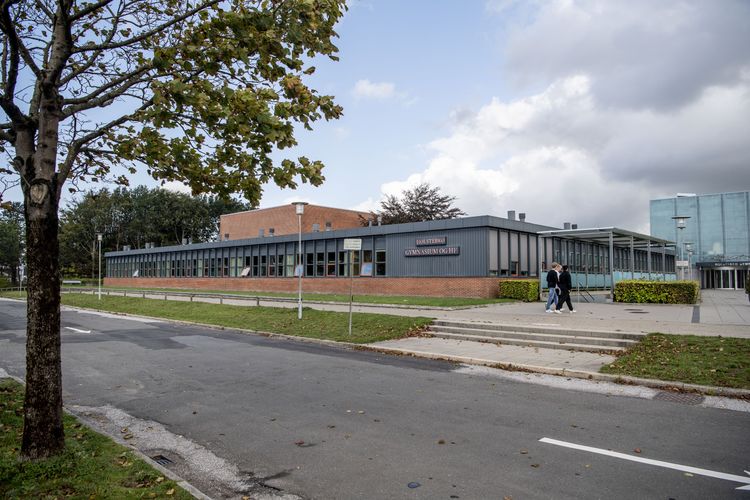
Campus Sct. Jørgen in Holstebro demonstrates how an existing building can be adapted quickly and responsibly to meet changing needs in society.
During the COVID-19 pandemic, parts of the campus were used as a vaccination centre. Following Russia’s invasion of Ukraine, the facilities were transformed to support and provide education for Ukrainian refugees. In 2023, the school environment included 63 children and young people from Ukraine. The premises were subsequently converted into permanent classrooms and learning environments within Holstebro’s municipal school system.
Each change of use introduced new technical requirements. Rooms intended for temporary activities now had to provide healthy and comfortable conditions for pupils and staff throughout the school day. Air quality, noise, draught prevention and energy consumption therefore became important elements of the transformation.
Maico Nordic supplied a combined decentralised ventilation solution based on Performance+ and MicroVent. Performance+ provides the higher airflow required in larger classrooms and shared areas, while the compact, façade-integrated MicroVent units serve smaller rooms where extensive ductwork would have been difficult and disruptive.
The decentralised solution made it possible to adapt the ventilation to each room without installing a conventional duct network throughout the existing building. The systems provide heat recovery, low energy consumption, low sound levels and draught-free air distribution. They can operate within the same control environment and be connected to the building management system.
Campus Sct. Jørgen illustrates how flexible ventilation technology can support adaptive reuse—from emergency healthcare and refugee support to permanent educational facilities.
